
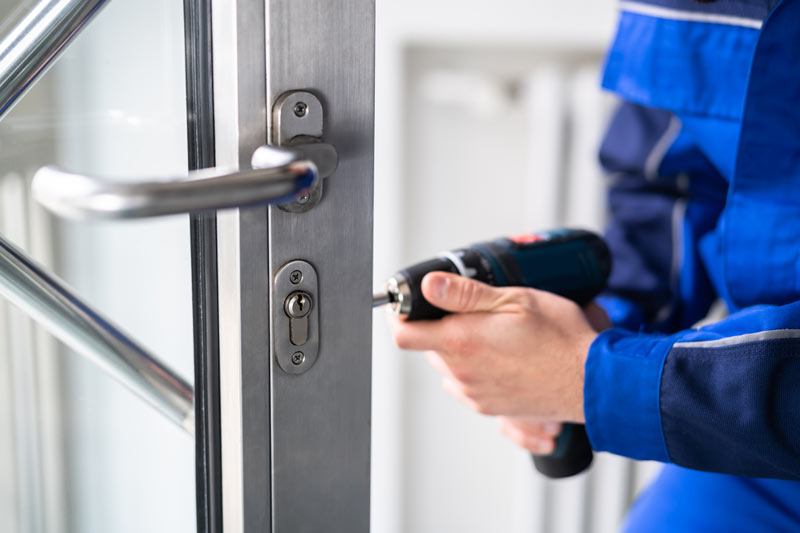
Managing a commercial property involves more than keeping doors locked. Office buildings, healthcare facilities, retail centers, schools, and industrial properties all depend on properly functioning security hardware to protect occupants, control access, and meet safety requirements.
An experienced commercial locksmith helps businesses install and maintain the systems that support those goals, including commercial hardware, exit devices, access control solutions, and ADA-compliant equipment. For organizations throughout North County San Diego and Riverside County, the right security hardware can reduce operational issues, improve building safety, and help maintain compliance with Fire Life Safety standards.
Mobile Lock & Safe provides commercial locksmith services for businesses throughout Oceanside, North County San Diego, Temecula, Murrieta, and nearby Riverside County communities. From rekeying and lock repair to access control, panic bars, ADA-compliant hardware, and fire life safety hardware, our team helps commercial properties stay secure and functional.
Why Is a Commercial Locksmith Different from a Residential Locksmith?
Commercial properties have different security demands than homes. A commercial locksmith works with larger facilities, higher traffic volumes, and building codes that require specialized knowledge.
Unlike residential locksmith services, commercial projects often involve:
- High-security lock systems
- Master key systems
- Door hardware installation
- Panic bar installation
- Access control systems
- ADA-compliant door components
- Fire Life Safety requirements
These solutions must do more than secure a building. They need to perform consistently for employees, visitors, emergency personnel, and inspectors while supporting daily operations.
Commercial Door Hardware Installation Supports Safety and Reliability
Commercial door component installation involves much more than replacing a lock or handle. The hardware selected for a business must withstand frequent use, provide reliable operation, and meet applicable safety standards.
Common commercial hardware includes:
- Heavy-duty locksets
- Door closers
- Exit devices
- Lever handles
- Electric strikes
- Continuous hinges
- Door coordinators
- Thresholds and weather seals
Proper installation helps prevent door failures, improves accessibility, and ensures entrances and exits function as intended.
Why Panic Bar Installation Matters
In many commercial facilities, panic bar installation plays an important role in emergency preparedness. These devices allow occupants to quickly open exit doors by applying pressure to the bar while keeping the entrance secured from unauthorized access.
Professionally installed panic hardware can help:
- Improve emergency evacuation procedures
- Support Fire Life Safety compliance
- Reduce safety concerns during emergencies
- Meet inspection requirements
Schools, healthcare facilities, offices, retail spaces, and public buildings may have different exit hardware requirements depending on occupancy and use. Choosing the correct equipment is essential for both safety and compliance.
Access Control Systems Improve Security and Control
Traditional keys can create challenges when businesses need to manage employee access, secure restricted areas, or track entry activity. Access control systems provide a more flexible way to manage who can enter specific parts of a facility.
Modern systems may include:
- Key cards
- Mobile credentials
- Keypads
- Electronic locks
- Scheduled access permissions
- Audit trails
These features allow property managers to update permissions, monitor activity, and reduce the security risks associated with lost or duplicated keys.
Many businesses combine electronic access control with mechanical locking systems to create a complete security strategy.
ADA-Compliant Door Hardware Supports Accessible Facilities
ADA-compliant door installation helps commercial properties create easier, safer access for employees, customers, and visitors. Properly selected hardware reduces the effort needed to operate doors while supporting accessibility requirements.
Examples of accessible hardware features include:
- Lever-style handles
- Appropriate door closing force
- Correct mounting heights
- Hardware that does not require tight grasping, pinching, or twisting
Accessibility improvements benefit building occupants while helping property owners meet required standards.
Fire Life Safety Compliance Requires the Right Hardware
Security and life safety must work together in every commercial facility. Fire Life Safety requirements are designed to help occupants exit quickly during emergencies while ensuring doors and hardware function correctly.
A commercial locksmith can assist with systems and components such as:
- Fire-rated door assemblies
- Code-compliant exit hardware
- Door closers
- Latching systems
- Access-controlled egress solutions
- Emergency exit hardware
Using compatible hardware and professional installation helps maintain secure entrances without interfering with emergency operation.
Choosing the Right Commercial Locksmith
Commercial properties require specialized experience. A locksmith familiar with residential repairs may not have the same knowledge of building codes, security systems, and facility requirements.
When selecting a provider, businesses should look for experience with:
- Office buildings
- Property management companies
- Government facilities
- Schools
- Healthcare environments
- Industrial properties
- Multi-location businesses
A knowledgeable provider can recommend solutions that fit the building’s purpose, security needs, and long-term maintenance goals.
Commercial Security Solutions for North County San Diego & Riverside County
Businesses across North County San Diego and Riverside County have unique security requirements based on their industry, property layout, and daily operations.
Whether a facility needs updated commercial door components, new panic bars, access control installation, or ADA accessibility improvements, working with an experienced commercial locksmith helps keep the property secure, functional, and prepared for future needs.
Frequently Asked Questions
What does a commercial locksmith do?
A commercial locksmith provides security solutions for businesses, commercial buildings, and high-traffic facilities. Services may include lock installation and repair, commercial door hardware, panic bars, access control systems, master key systems, and ADA-compliant door components.
Beyond replacing locks, commercial locksmiths help businesses maintain secure, reliable entry systems that support daily operations, accessibility requirements, and Fire Life Safety standards.
When is panic bar installation required?
Panic bar installation may be required in commercial buildings based on factors such as occupancy type, building use, and applicable safety codes. These devices are commonly used on exit doors where occupants need a quick and easy way to leave during an emergency.
Properly installed panic hardware helps support emergency evacuation, building safety, and code compliance while keeping doors secure during normal operation.
What are access control systems?
Access control systems allow businesses to manage and monitor who can enter specific areas of a facility. Instead of relying only on traditional keys, these systems can use key cards, mobile credentials, keypads, electronic locks, and other authentication methods.
Many access control solutions also provide activity tracking and flexible permissions, making them useful for offices, healthcare facilities, schools, warehouses, and other commercial properties.
Why is ADA-compliant door hardware important?
ADA-compliant door components improve accessibility by making doors easier to operate for employees, customers, and visitors. Features such as lever handles, proper door adjustments, and easy-to-operate hardware help reduce physical effort and support accessibility standards.
Installing the correct door components helps create a safer, more convenient environment while supporting compliance requirements.
How often should commercial door hardware be inspected?
Commercial door hardware should be inspected regularly as part of routine building maintenance. High-use entrances, emergency exits, fire-rated doors, and access-controlled openings often require additional attention due to frequent use.
Regular inspections help identify worn components, prevent unexpected failures, and ensure doors continue to operate safely and reliably.